The Digital Revolution and Modern Technology
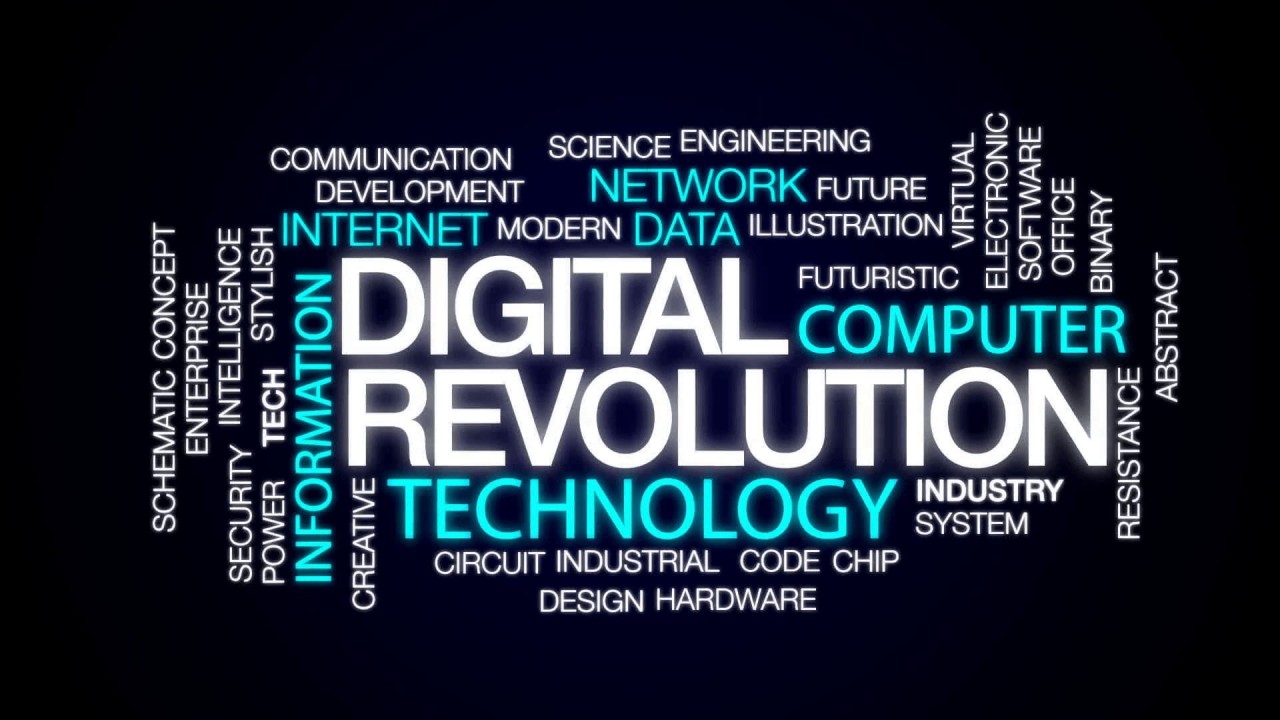
The Digital Revolution represents one of the most transformative scientific and technological shifts in human history. Emerging in the mid-twentieth century, it marked the transition from mechanical and analog systems to digital technologies capable of processing, storing, and transmitting information at unprecedented speeds. This transformation reshaped economies, communication, governance, education, and everyday life across the globe.
Unlike earlier technological revolutions driven primarily by physical machinery, the digital era is defined by information itself. Data, computation, and connectivity became central forces shaping modern society. The digital revolution did not replace earlier technologies but integrated with them, accelerating innovation and creating new forms of interaction between humans and machines.

Origins of Computing and Information Technology
The foundations of modern digital technology were laid during the twentieth century through advances in mathematics, electronics, and engineering. Early computing devices, such as mechanical calculators and punch-card systems, were developed to assist with complex calculations in science, commerce, and government administration.
The invention of electronic computers during and after World War II marked a turning point. Machines such as ENIAC and later transistor-based computers dramatically increased computational speed and reliability. The development of binary logic, algorithms, and programming languages transformed computers from specialized machines into adaptable tools capable of solving diverse problems.
The Rise of the Internet and Global Connectivity
The creation of the Internet revolutionized communication and information exchange. Initially developed for military and academic purposes, networked computing systems allowed geographically distant users to share data rapidly. The introduction of the World Wide Web in the late twentieth century made digital information accessible to the public on an unprecedented scale.
Global connectivity reshaped commerce, media, education, and social interaction. Email, websites, and digital platforms reduced barriers of distance and time, enabling real-time communication across continents. The Internet fostered global collaboration while also raising new challenges related to privacy, security, and information accuracy.
Technology and the Digital Economy
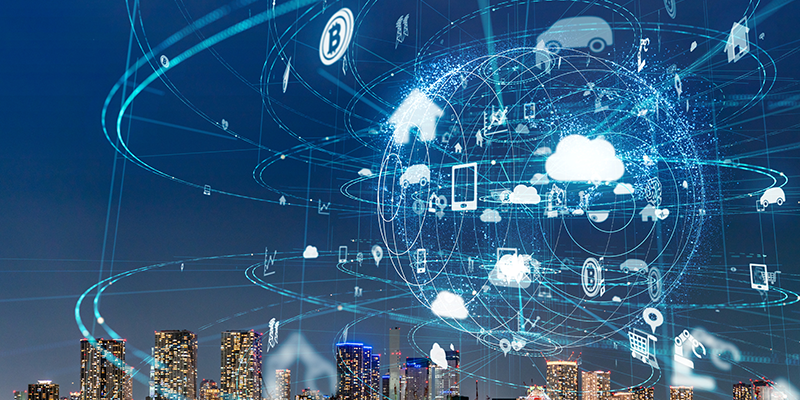
Digital technology transformed economic systems by enabling automation, data-driven decision making, and globalized markets. Manufacturing adopted robotics and computer-controlled systems, increasing efficiency and precision. Service industries shifted toward digital platforms that connect producers and consumers directly.
New economic models emerged, including e-commerce, digital finance, and platform-based labor. While these developments created opportunities for innovation and growth, they also generated concerns regarding job displacement, economic inequality, and the regulation of multinational technology corporations.
Impact on Science, Medicine, and Research
Digital tools revolutionized scientific research by enabling large-scale data analysis, simulation, and collaboration. Fields such as astronomy, genetics, and climate science rely heavily on computational modeling and digital measurement technologies to analyze complex systems.
In medicine, digital imaging, electronic health records, and bioinformatics improved diagnosis, treatment, and research efficiency. Advances in medical technology extended life expectancy and enhanced healthcare delivery, while also raising ethical questions related to data privacy and equitable access to medical innovation.

Artificial Intelligence and Emerging Technologies
Artificial intelligence represents a new phase of the digital revolution. Machine learning systems can analyze vast datasets, recognize patterns, and perform tasks previously limited to human cognition. AI applications now influence transportation, healthcare, finance, and scientific discovery.
Emerging technologies such as quantum computing, biotechnology, and renewable energy systems continue to reshape the relationship between science, technology, and society. These innovations offer solutions to global challenges while simultaneously requiring careful ethical, social, and regulatory consideration.