Health, Medicine, and Human Progress
The development of medicine and public health has been a driving force in human progress. From ancient herbal remedies to modern vaccines and surgical techniques, medical advancements have increased life expectancy, reduced suffering, and shaped societal structures.
Understanding the history of health and medicine reveals the interplay between science, culture, and human development. Innovations in medicine not only address disease but also influence population growth, economic productivity, and global interaction.

Health Practices in Ancient Civilizations
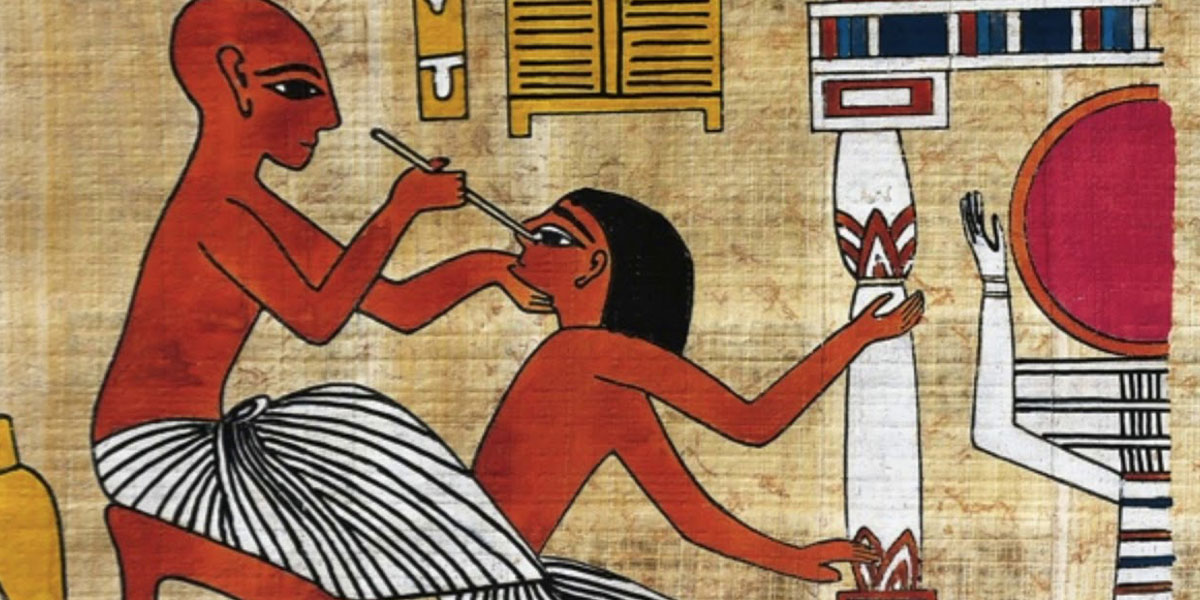
Ancient civilizations such as Egypt, Mesopotamia, India, and China developed medical knowledge based on observation, herbal remedies, and spiritual practices. Physicians, healers, and midwives played crucial roles in communities, treating injuries, illnesses, and guiding health practices.
In Greece, Hippocrates emphasized empirical observation and rational approaches to disease, laying the foundation for Western medicine. Similarly, Ayurvedic medicine in India and Traditional Chinese Medicine integrated diet, exercise, and natural remedies, influencing health practices for millennia.

Medicine in the Medieval and Early Modern Era
During the medieval period, medical knowledge was preserved in monasteries, Islamic madrasas, and universities. Scholars translated ancient texts, combined empirical observation with religious and philosophical ideas, and trained physicians in practical and theoretical medicine.
Early modern medicine advanced with anatomical studies, surgical techniques, and the development of hospitals. Renaissance scientists such as Vesalius and Paracelsus challenged traditional beliefs and emphasized observation, experimentation, and systematic study.

Public Health and Preventive Medicine
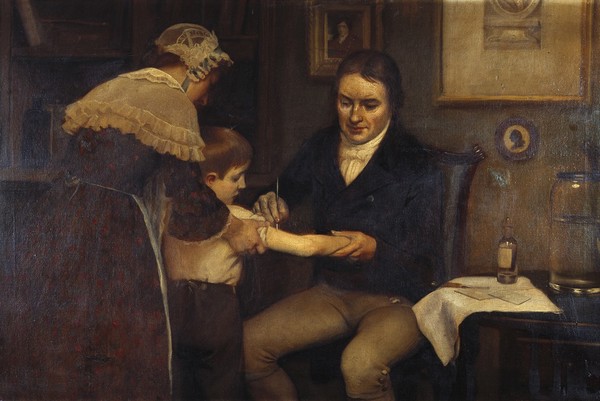
The 18th and 19th centuries saw the rise of public health initiatives. Sanitation, clean water, and waste management became central to preventing disease in growing urban populations. Vaccination and epidemiology emerged as critical tools for controlling infectious diseases.
Figures such as Edward Jenner, Louis Pasteur, and Florence Nightingale advanced vaccination, germ theory, and nursing, transforming healthcare delivery and community health. These developments reduced mortality and improved quality of life worldwide.
Modern Medicine and Global Health
The 20th and 21st centuries brought unprecedented medical advancements: antibiotics, medical imaging, organ transplants, and biotechnology have revolutionized treatment. Global health organizations and vaccination campaigns have combated infectious diseases and improved life expectancy worldwide.
Modern medicine also addresses chronic diseases, mental health, and preventative care. Health policies, research, and technology continue to influence population growth, economic productivity, and human development globally.
Challenges and Future Directions
Despite tremendous progress, modern societies face challenges including pandemics, antibiotic resistance, health inequality, and access to care. Global collaboration, medical innovation, and education are essential to addressing these issues.
The continued evolution of medicine and public health demonstrates the ongoing role of knowledge, science, and human ingenuity in shaping societal well-being and global human development.