
Energy, Electricity, and the Modern World
Energy is the foundation of modern civilization, enabling industrial production, transportation, communication, and daily life. While humans have relied on energy in various forms throughout history, the scientific understanding and large-scale control of energy transformed societies more profoundly than any previous technological development.
The discovery, generation, and distribution of electricity marked a turning point in human progress. By converting natural forces into controllable power, societies reshaped economies, urban environments, and patterns of work. Modern science and technology are inseparable from energy systems that sustain contemporary civilization.

Early Energy Sources and Mechanical Power
Before industrialization, human societies relied primarily on muscle power, wind, water, and biomass. Animal labor powered agriculture and transport, while watermills and windmills converted natural motion into mechanical energy for grinding grain, pumping water, and early manufacturing.
The scientific study of energy accelerated during the early modern period as scholars investigated motion, force, and heat. These investigations laid the groundwork for understanding energy as a measurable and transferable quantity, setting the stage for industrial and electrical innovation.
Steam Power and Fossil Fuel Transformation
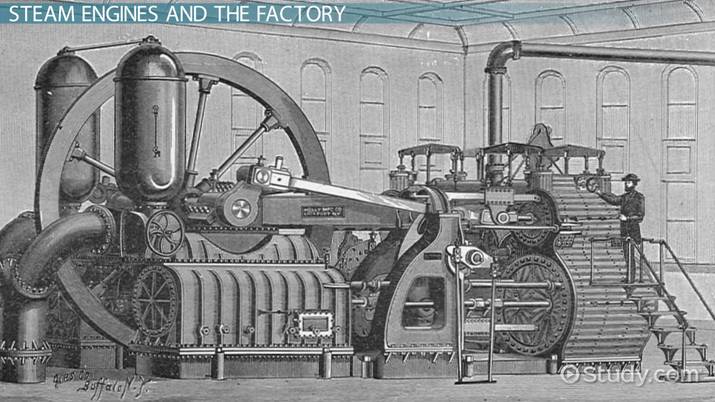
The Industrial Revolution introduced steam engines powered by coal, dramatically increasing the scale and efficiency of production. Factories, railways, and steamships reshaped transportation and manufacturing, enabling rapid economic expansion and urban growth.
Fossil fuels such as coal, oil, and natural gas became dominant energy sources due to their high energy density and reliability. Their widespread use transformed global economies while also introducing long-term environmental and health consequences that continue to shape scientific and political debate.
The Scientific Discovery of Electricity
Scientific exploration of electricity advanced rapidly during the nineteenth century. Experiments by researchers such as Michael Faraday and James Clerk Maxwell revealed the relationship between electricity, magnetism, and energy. These discoveries transformed electricity from a scientific curiosity into a practical source of power.
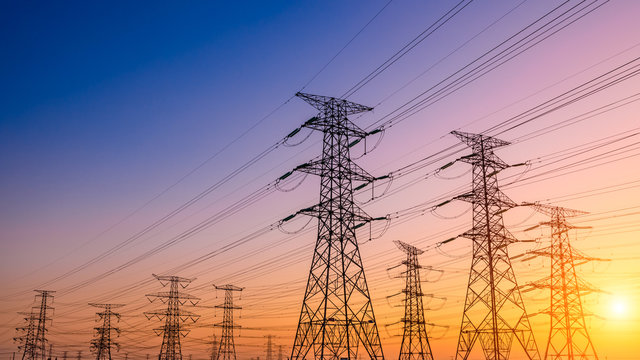
The development of electrical generators and transmission systems allowed energy to be produced in one location and used elsewhere. Electrification illuminated cities, powered machinery, and enabled new forms of communication, fundamentally altering daily life and economic organization.
Electrification and Modern Infrastructure
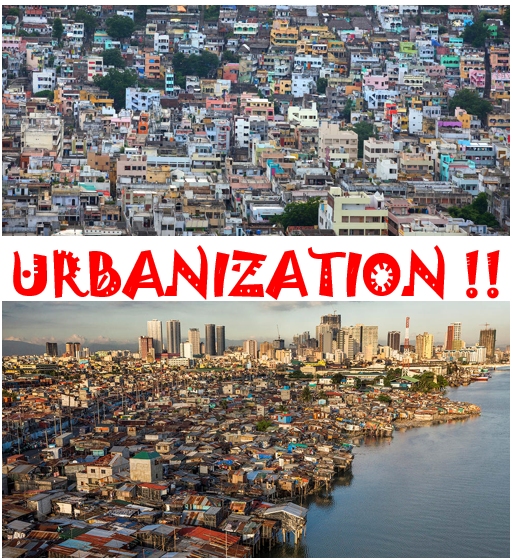
The widespread adoption of electricity reshaped urban and industrial environments. Electric lighting extended productive hours, while electric motors replaced steam engines in factories, improving efficiency and safety. Power grids connected households, industries, and institutions into integrated energy networks.
Electrification also enabled technological innovation across multiple fields. Telecommunications, computing, medical devices, and transportation systems depend on reliable electrical power, making energy infrastructure a critical component of modern scientific and economic stability.
Energy Challenges and Scientific Innovation
The reliance on fossil fuels raised concerns about resource depletion, pollution, and climate change. Scientific research increasingly focused on understanding environmental impacts and developing alternative energy sources capable of sustaining global demand without long-term ecological harm.
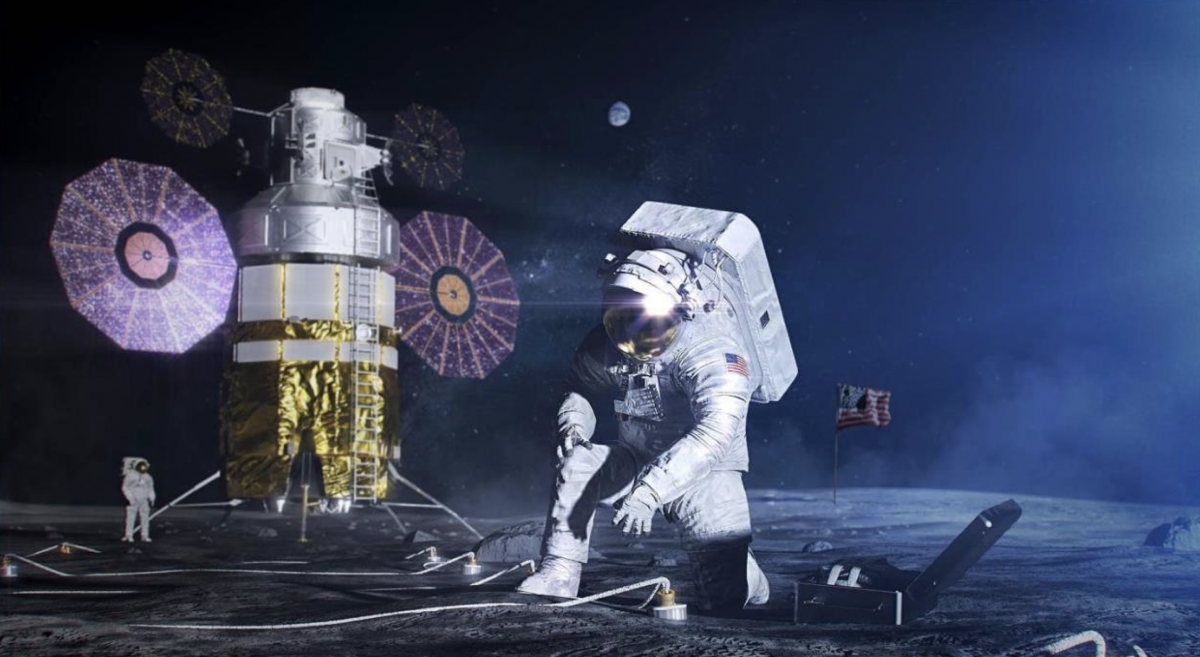
Renewable energy technologies such as solar, wind, hydroelectric, and nuclear power emerged as critical components of future energy systems. Advances in energy storage, efficiency, and smart grids continue to shape the transition toward more sustainable and resilient energy infrastructures.