Education as a Driver of Human Development
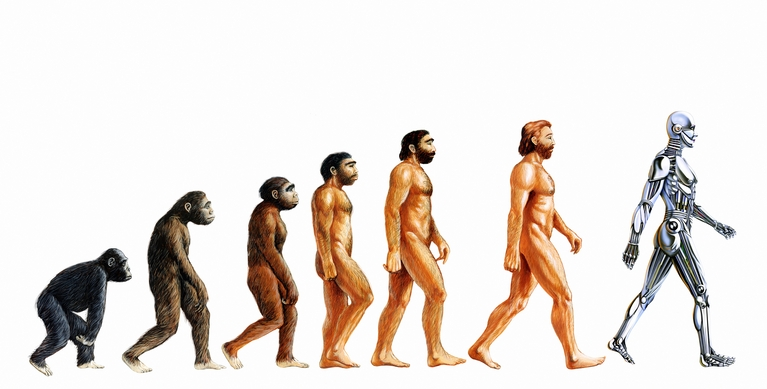
Education has been a cornerstone of human development, shaping societies, cultures, and economies throughout history. From early informal learning to structured schooling and modern education systems, the ability to acquire, preserve, and transmit knowledge has allowed humans to progress in ways unmatched by any other species.
By providing individuals with skills, critical thinking, and cultural understanding, education influences social organization, economic opportunity, and civic engagement. Its impact is evident across eras, from ancient civilizations to contemporary global society.

Education in Ancient Civilizations
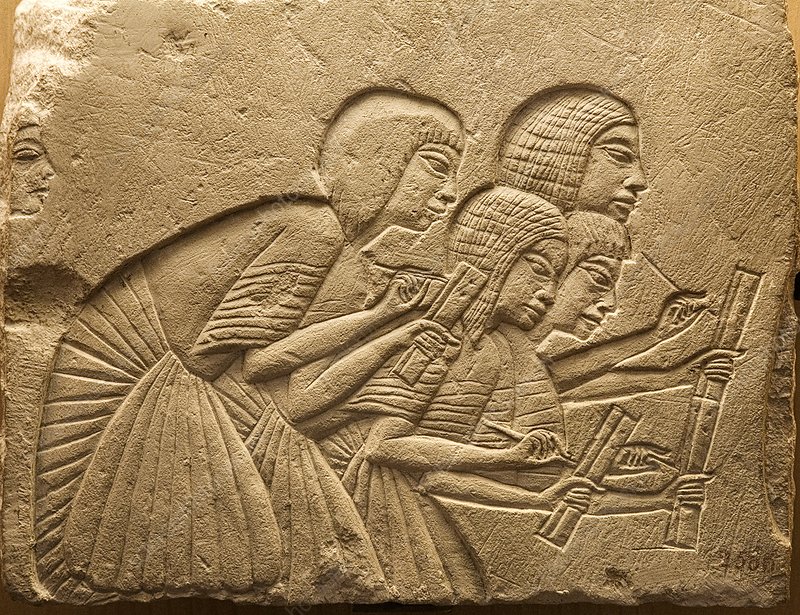
In ancient civilizations such as Mesopotamia, Egypt, China, and Greece, education was often limited to elites and focused on literacy, numeracy, religious instruction, and civic responsibility. Scribes, scholars, and priests played a central role in maintaining knowledge, writing records, and teaching future generations.
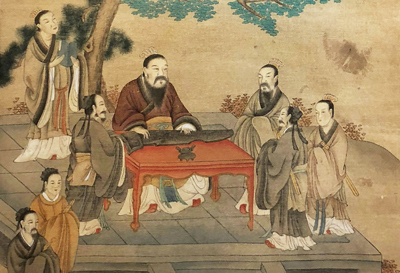
Philosophical schools in Greece, such as those founded by Plato and Aristotle, emphasized reasoning, ethics, and inquiry, laying the foundation for Western educational thought. In China, Confucian academies promoted moral education, civil service preparation, and social harmony, influencing governance and culture for centuries.
Medieval and Early Modern Education
During the medieval period, education was often provided by religious institutions. Monasteries and cathedral schools preserved classical knowledge, taught literacy, and trained clergy. In the Islamic world, madrasas became centers of learning in science, mathematics, medicine, and literature.
The Renaissance and early modern period saw the establishment of universities across Europe, expanding education beyond religious instruction. Humanism encouraged the study of classical texts, philosophy, and the arts, fostering intellectual exploration and critical thinking.

The Rise of Modern Education Systems
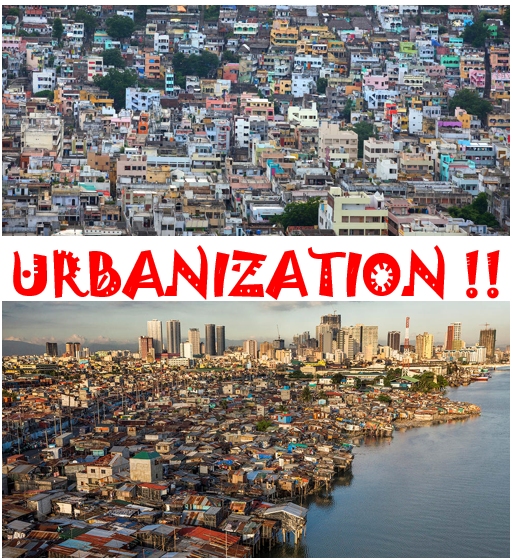
Industrialization and urbanization highlighted the need for widespread literacy, technical skills, and civic knowledge. Public education systems emerged in the 18th and 19th centuries, providing structured schooling to children of all social classes. Compulsory education laws expanded access and promoted equality.
Modern curricula include a combination of sciences, arts, mathematics, and social studies, aiming to develop well-rounded individuals. Education also serves as a mechanism for social mobility, empowering individuals to participate actively in economic, political, and cultural life.

Globalization, Technology, and Lifelong Learning
The 20th and 21st centuries have transformed education through technology, mass communication, and global connectivity. Online learning, digital libraries, and international exchange programs have broadened access and reduced barriers to knowledge.
Lifelong learning has become essential in rapidly changing societies. Education now extends beyond formal schooling, encompassing vocational training, professional development, and personal growth. This dynamic ensures that education continues to drive human development and societal progress.