Climate, Environment, and Human Adaptation
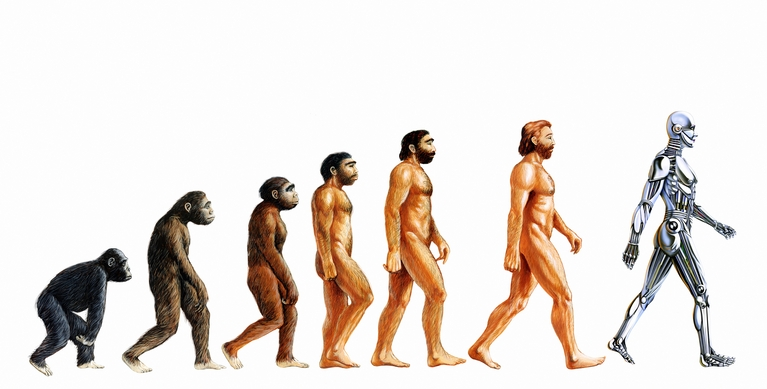
Climate and environmental conditions have played a decisive role in shaping human evolution, settlement patterns, economic systems, and cultural development. From early hominins adapting to fluctuating climates in Africa to modern societies responding to global climate change, human history is deeply intertwined with the Earth’s natural systems.
Human adaptation to the environment has involved biological, technological, and social strategies. While early adaptation relied on mobility and survival skills, later societies increasingly modified landscapes through agriculture, urbanization, and industrialization. This reciprocal relationship between humans and the environment continues to define global challenges and opportunities.

Early Human Adaptation to Climate
Early human populations adapted to diverse climates through migration, tool use, and social cooperation. Changes in temperature and rainfall influenced food availability, prompting the development of hunting, gathering, and later agricultural practices. Ice Age cycles shaped migration routes across continents, including the settlement of Eurasia and the Americas.
Clothing, shelter construction, and fire use allowed humans to survive in cold environments, while water management and dietary flexibility supported life in arid and tropical regions. These adaptive strategies reflect the deep connection between environmental pressures and human innovation.
Agriculture, Environment, and Landscape Transformation
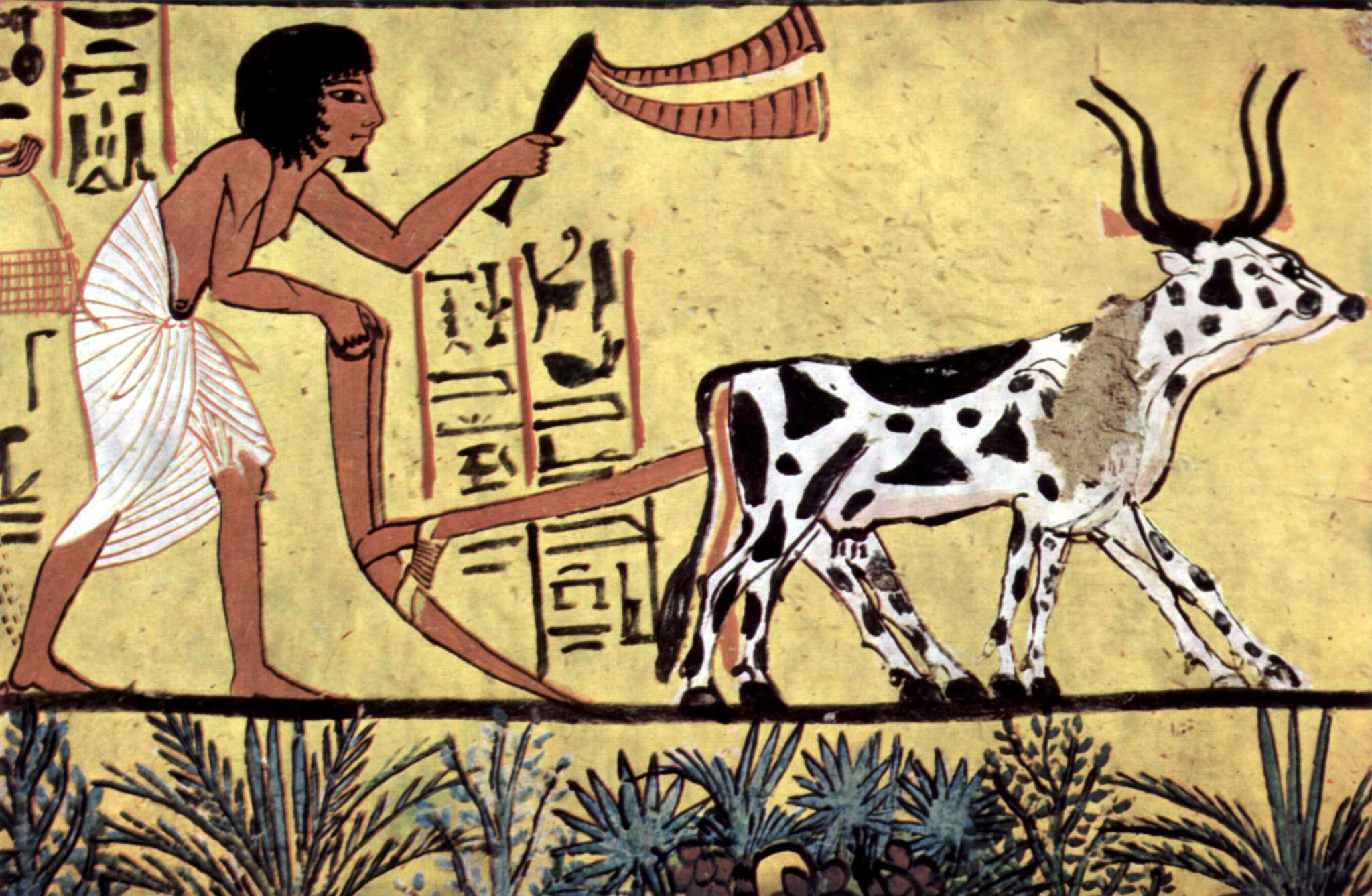
The development of agriculture marked a fundamental shift in human-environment interaction. By domesticating plants and animals, humans gained greater control over food production but also became increasingly dependent on specific climatic conditions. River valleys, monsoon regions, and fertile plains supported the rise of early farming societies.
Agricultural expansion transformed natural landscapes through deforestation, irrigation, and soil modification. While these changes supported population growth and complex societies, they also introduced environmental challenges such as soil degradation and resource depletion.
Climate Change and the Rise and Fall of Civilizations
Climatic shifts have influenced the prosperity and decline of civilizations throughout history. Prolonged droughts, cooling periods, and extreme weather events affected agricultural productivity, trade networks, and political stability. Environmental stress often intensified social conflict and migration.
Historical examples include the decline of the Indus Valley civilization, disruptions during the Late Bronze Age collapse, and population pressures during the Medieval Warm Period and Little Ice Age. These cases demonstrate the vulnerability of complex societies to environmental change.
Industrialization and Environmental Impact
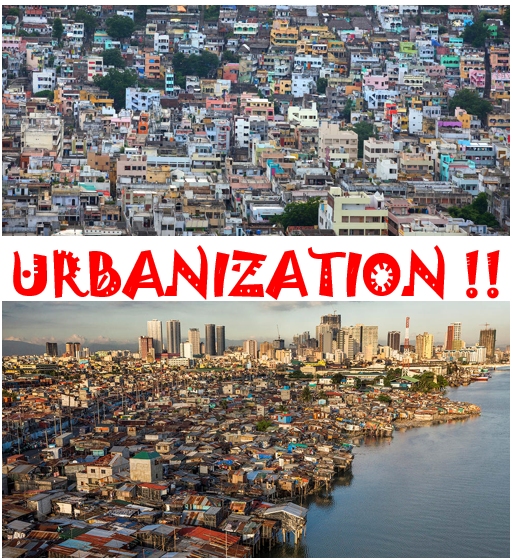
Industrialization significantly altered the relationship between humans and the Earth. Fossil fuel consumption, large-scale manufacturing, and urban expansion increased productivity but also intensified pollution, deforestation, and greenhouse gas emissions.
Environmental consequences such as air and water pollution, biodiversity loss, and climate change emerged as global concerns. These impacts highlighted the limits of natural systems and the need for sustainable resource management.

Modern Adaptation and Environmental Sustainability
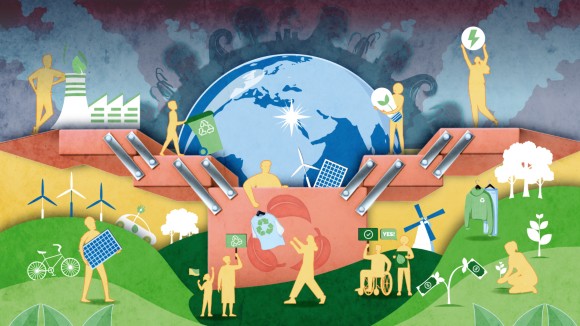
Contemporary societies face the challenge of adapting to accelerating climate change while sustaining economic development. Adaptation strategies include climate-resilient agriculture, disaster risk reduction, renewable energy adoption, and urban planning designed to withstand environmental stress.
International cooperation, scientific research, and technological innovation play critical roles in addressing environmental challenges. Human adaptation increasingly depends on balancing development needs with ecological preservation to ensure long-term resilience.