Space Exploration and Scientific Advancement
Space exploration represents one of humanity’s most ambitious scientific endeavors, driven by curiosity about the universe and the desire to understand Earth’s place within it. Emerging during the twentieth century, space science combined advances in physics, engineering, and astronomy to overcome Earth’s gravitational limits and extend human observation beyond the planet.
Unlike earlier scientific revolutions focused on terrestrial discovery, space exploration expanded the scale of human inquiry to a cosmic level. Satellites, telescopes, robotic probes, and human spaceflight transformed scientific knowledge while influencing communication, navigation, climate research, and global geopolitics.
The Space Race and Early Exploration
The origins of modern space exploration are closely tied to Cold War competition between the United States and the Soviet Union. Advances in rocketry during World War II laid the technological foundation for launching objects into orbit. In 1957, the Soviet Union’s launch of Sputnik marked the first artificial satellite, initiating the Space Age.
Early space missions prioritized orbital flight, human survival in space, and lunar exploration. Achievements such as Yuri Gagarin’s first human orbit and the Apollo Moon landings demonstrated the feasibility of human spaceflight. These missions accelerated scientific research while symbolizing technological and ideological competition.
Satellites and Scientific Observation
Satellites revolutionized scientific observation by providing continuous data about Earth and the cosmos. Weather satellites improved forecasting and disaster preparedness, while Earth-observing satellites enabled the study of climate patterns, ocean circulation, and environmental change.
Space-based telescopes expanded astronomy beyond atmospheric limitations. Instruments such as the Hubble Space Telescope captured detailed images of distant galaxies, nebulae, and planetary systems, deepening understanding of cosmic evolution, dark matter, and stellar formation.

Robotic Exploration of the Solar System
Robotic probes extended exploration to planets, moons, and asteroids across the solar system. Missions to Mars investigated geological history and the possibility of past life, while probes to Jupiter and Saturn revealed complex atmospheres, magnetic fields, and diverse moons.
These missions transformed planetary science by providing direct measurements and high-resolution imagery. Data collected from robotic explorers reshaped theories about planetary formation, habitability, and the dynamic processes shaping celestial bodies.
Technological Spin-Offs and Societal Impact
Space exploration produced technologies that extended far beyond astronomy. Satellite communication enabled global broadcasting, navigation systems transformed transportation, and materials developed for spacecraft improved medical devices and consumer products.
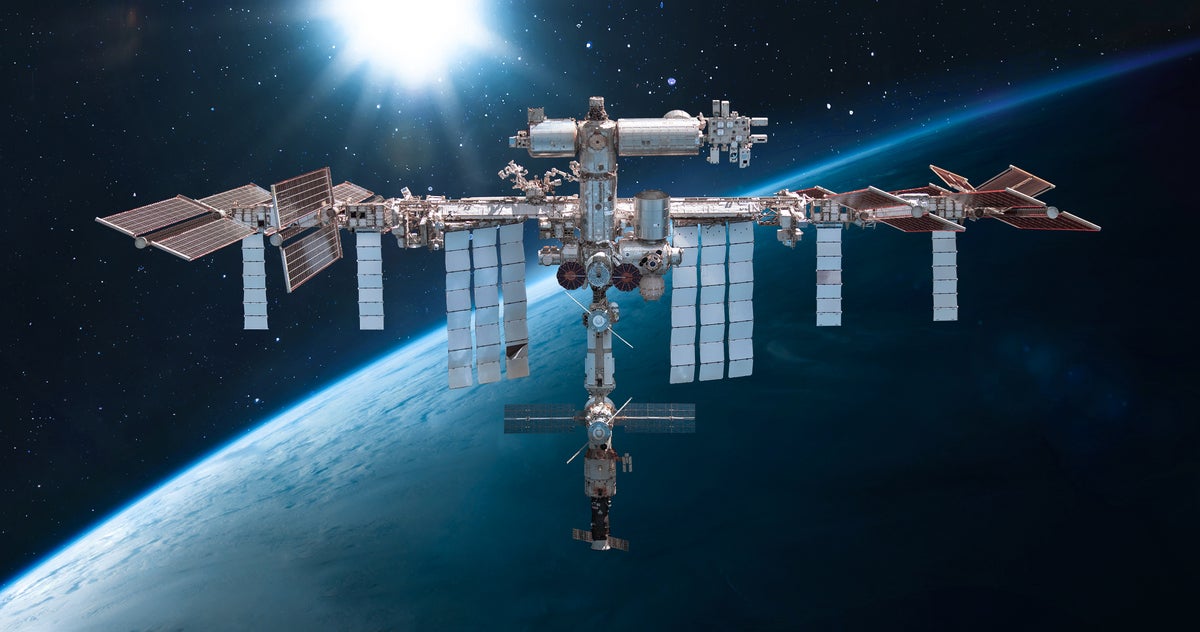
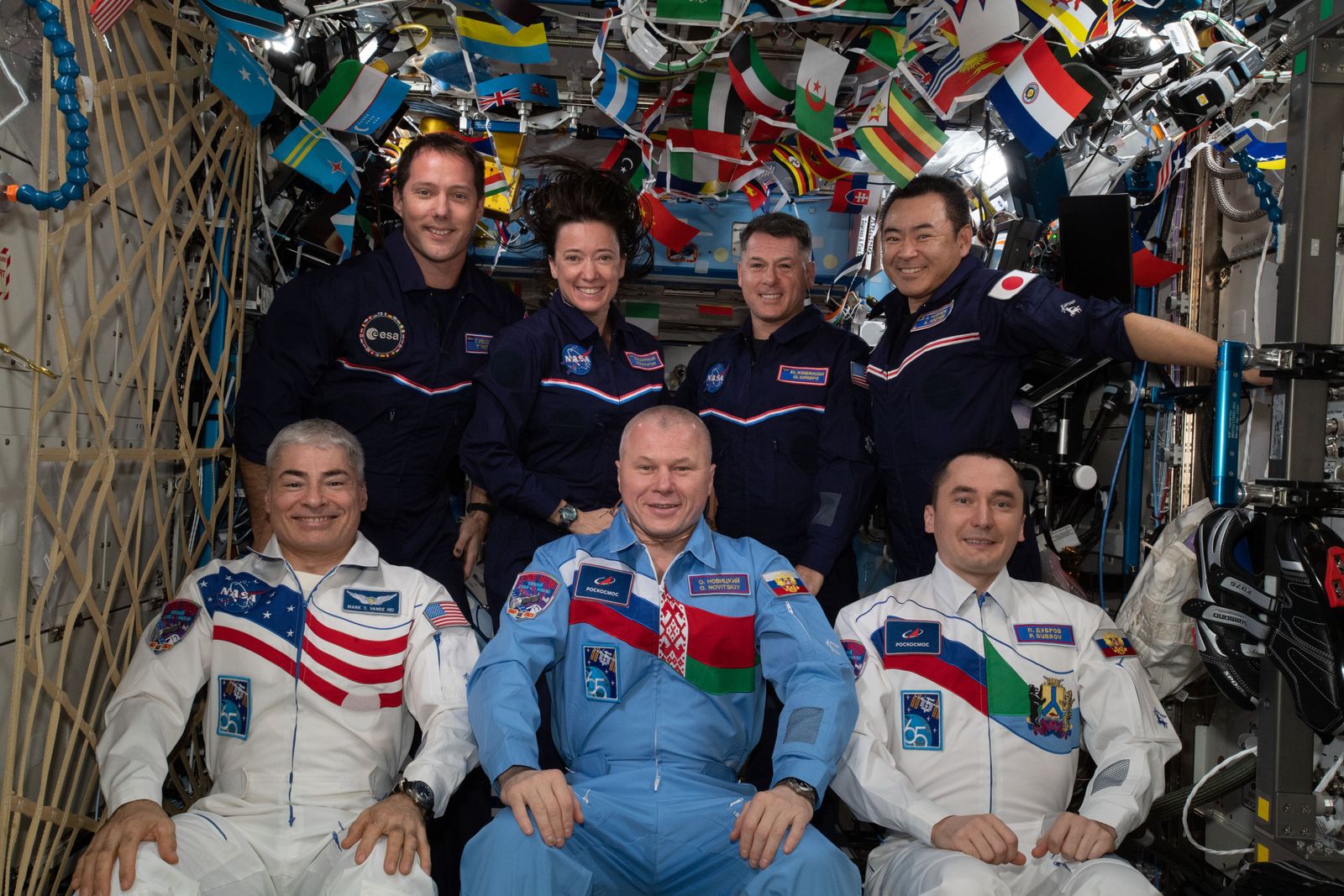
The scientific challenges of space exploration also fostered international collaboration. Projects such as the International Space Station demonstrated cooperative research beyond national boundaries, promoting shared scientific goals despite political differences.
Future Directions in Space Science
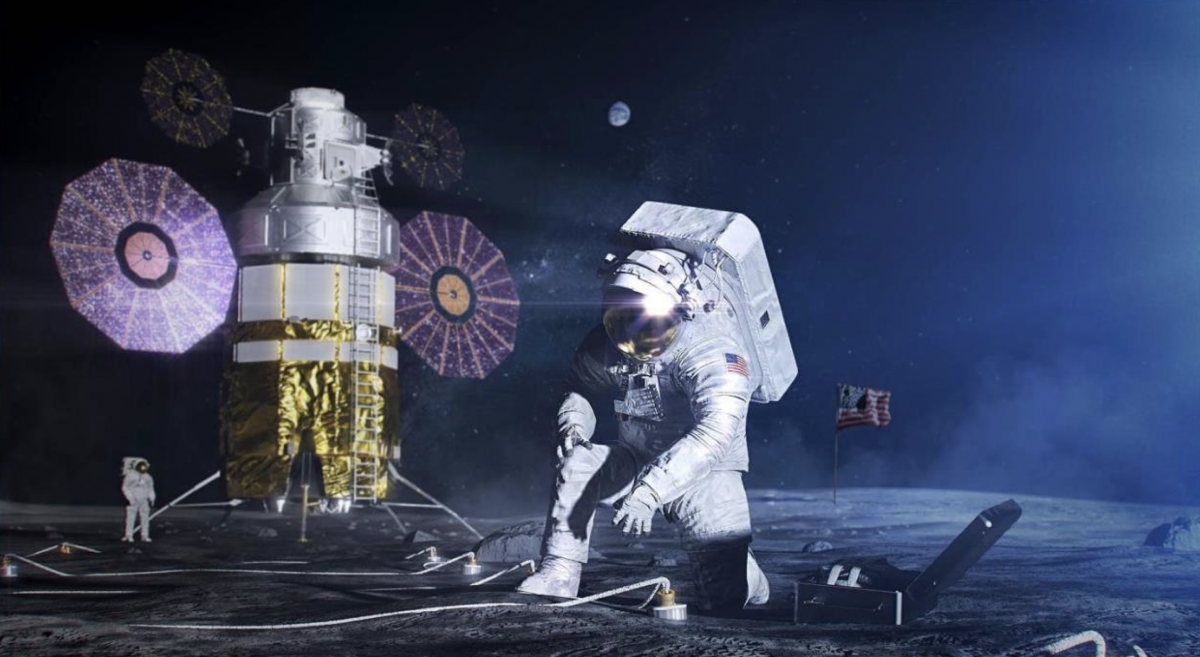
Contemporary space exploration increasingly involves private organizations alongside national space agencies. Advances in reusable rockets and commercial satellites reduced costs and expanded access to space. Future missions aim to return humans to the Moon and explore Mars as a potential site for long-term human presence.
Space science continues to address fundamental questions about the universe, including the search for extraterrestrial life and the nature of dark energy. As technology advances, space exploration remains a defining frontier of scientific discovery and human aspiration.