The Industrial Revolution and Technological Change
The Industrial Revolution represents one of the most transformative periods in human history. Beginning in the late eighteenth century, it marked a shift from hand-based production to mechanized manufacturing powered by new sources of energy. This transformation reshaped economies, societies, and technological capabilities across the world.
Unlike earlier technological developments, industrialization altered not only tools and machines but also patterns of work, urban life, and social organization. Its effects extended far beyond factories, influencing transportation, communication, and scientific thinking.
Origins of Industrialization
The Industrial Revolution began in Britain due to a combination of factors including access to coal and iron, stable political institutions, capital investment, and a growing market economy. Innovations in textile production, such as the spinning jenny and power loom, increased output dramatically.
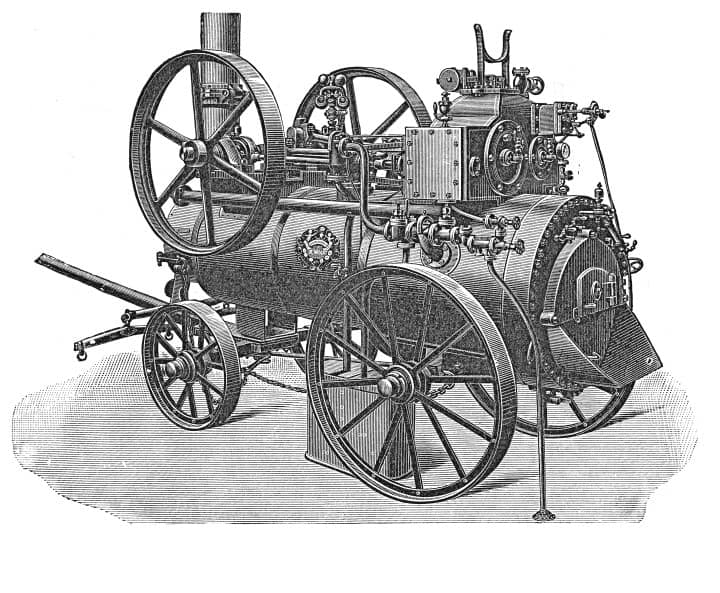
The development of the steam engine provided a reliable source of power, allowing factories to operate independently of water sources. These technological advances gradually spread to Europe, North America, and other regions.
Transformation of Work and Society
Industrialization reorganized labor around factories, replacing traditional home-based and craft production. Workers followed fixed schedules and performed specialized tasks, increasing efficiency but reducing autonomy.
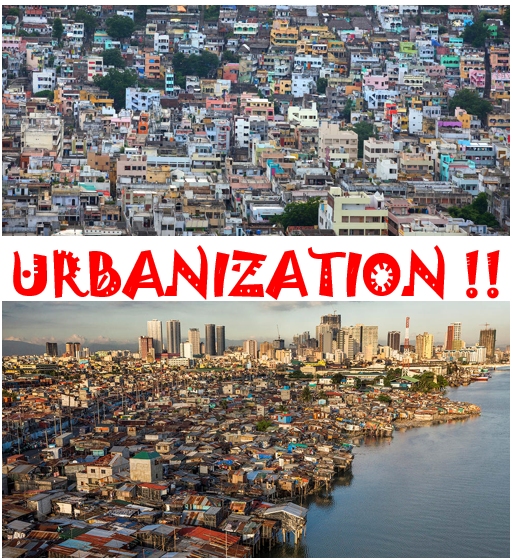
Rapid urbanization accompanied industrial growth. Cities expanded as people migrated in search of employment, leading to overcrowding, poor sanitation, and public health challenges. These conditions prompted social reforms and new approaches to urban planning.

Technological Innovation and Expansion
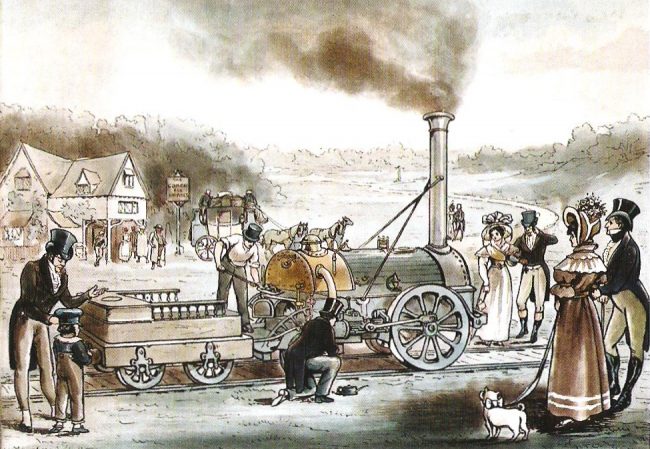
Industrialization encouraged continuous innovation. Railways revolutionized transportation, reducing travel time and connecting markets. Telegraphs enabled near-instant communication across long distances, transforming commerce and governance.
Advances in metallurgy, chemistry, and engineering laid the groundwork for later technological revolutions. Industrial research and scientific experimentation became increasingly interconnected, accelerating technological progress.
Global Impact and Legacy
The Industrial Revolution reshaped global power dynamics. Industrialized nations gained economic and military advantages, influencing colonial expansion and global trade systems. At the same time, industrial methods spread worldwide, transforming societies beyond Europe.
While industrialization generated economic growth and innovation, it also introduced environmental degradation and social inequality. These consequences continue to influence modern debates about sustainability, technology, and development.