The Evolution of Human Societies
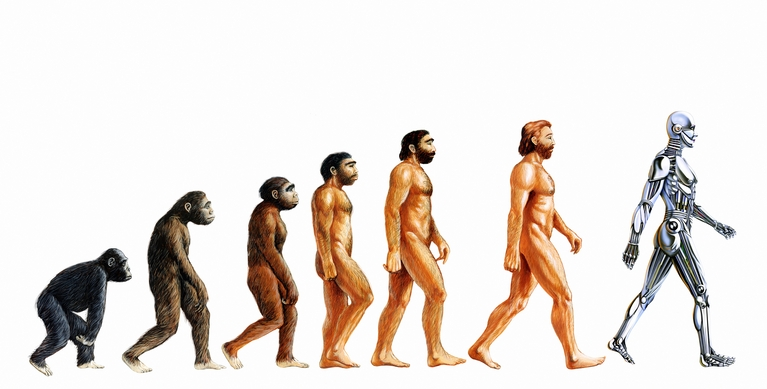
Human societies have undergone profound transformation over thousands of years. From small hunter-gatherer groups to complex modern nation-states, this evolution reflects humanity’s ability to adapt, innovate, and organize collectively. Social structures, economic systems, and political authority developed gradually in response to environmental pressures, technological change, and cultural interaction.
Understanding how societies evolved provides insight into present-day institutions, values, and global challenges. Rather than a linear progression, human development occurred through overlapping stages, shaped by geography, resources, belief systems, and historical circumstance.
Hunter-Gatherer Communities
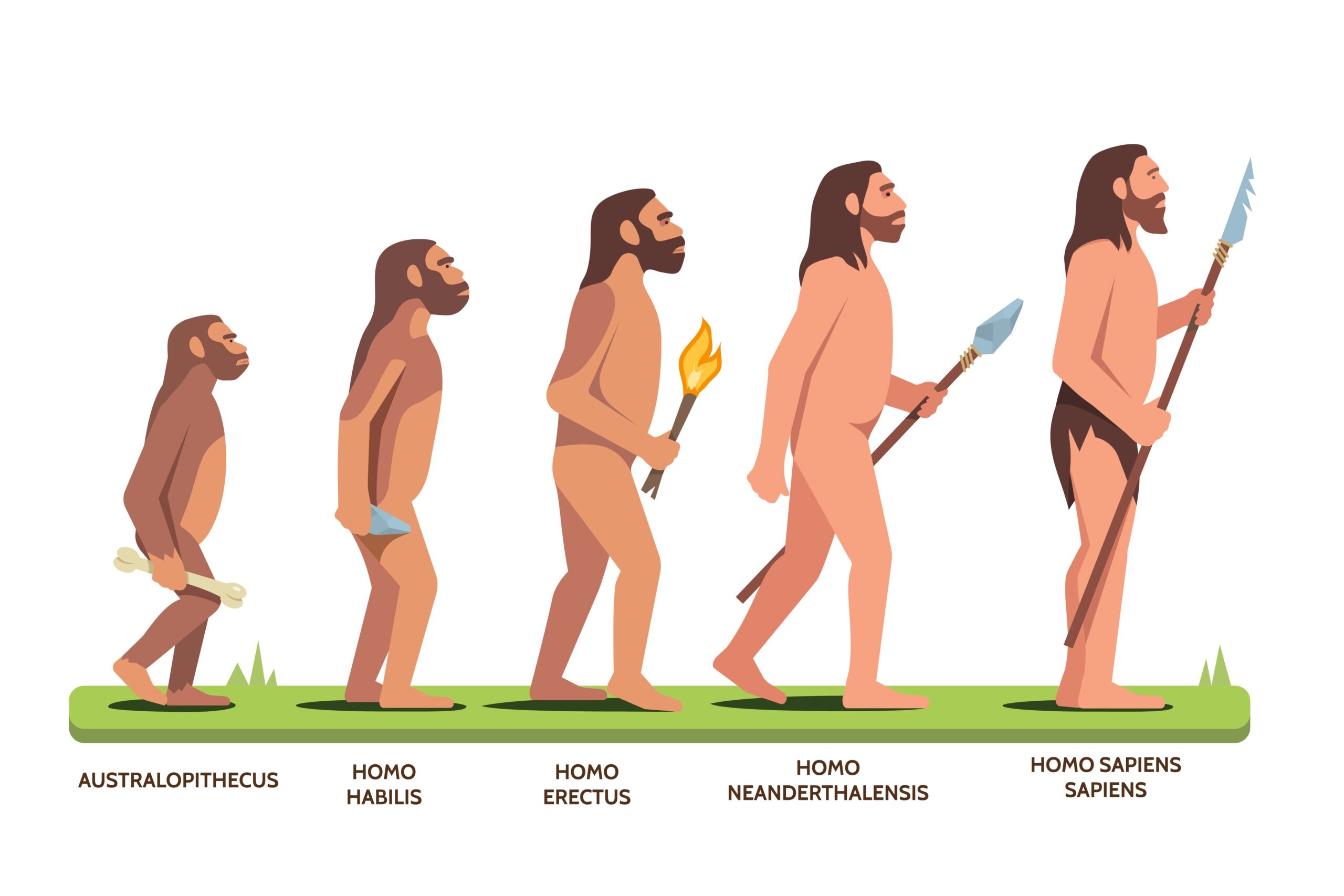
The earliest human societies were hunter-gatherer groups that relied on wild plants and animals for survival. These communities were typically small, mobile, and closely connected to their natural environment. Cooperation and shared responsibility were essential, resulting in relatively egalitarian social structures.
Knowledge was transmitted orally through storytelling, observation, and ritual. While technologically simple, these societies demonstrated sophisticated understanding of ecosystems, seasonal cycles, and social cooperation.
Agriculture and Permanent Settlement
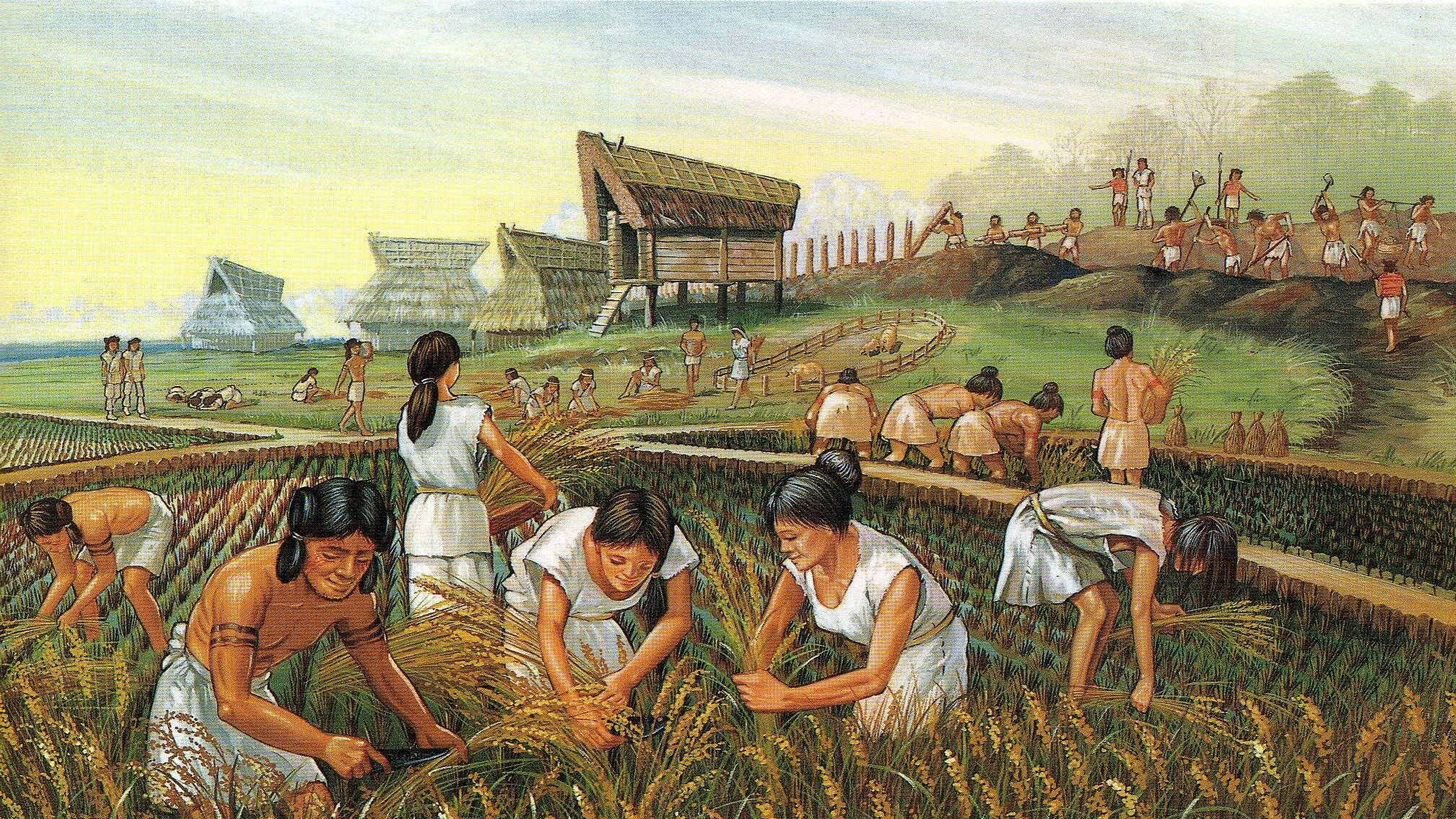
The development of agriculture around 10,000 BCE marked a turning point in human history. The ability to cultivate crops and domesticate animals allowed populations to settle permanently, leading to the formation of villages and early towns.
Food surpluses supported population growth and labor specialization. Social hierarchies emerged as certain individuals controlled land, resources, or religious authority. This transformation laid the foundation for organized governance and economic exchange.
The Rise of Complex Civilizations
As settlements expanded, complex civilizations developed in regions such as Mesopotamia, Egypt, the Indus Valley, China, and Mesoamerica. These societies introduced writing systems, codified laws, administrative institutions, and monumental architecture.
Political authority became centralized, often justified through religion or divine rule. Trade networks connected distant regions, enabling cultural exchange and technological diffusion across continents.
Industrial and Modern Nation-States
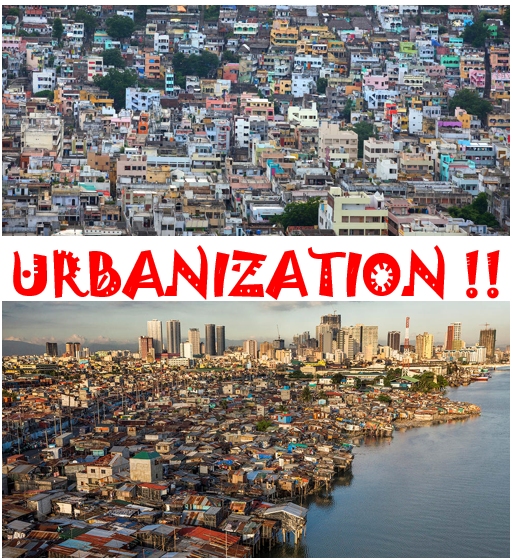
Industrialization transformed human societies through mechanized production, urbanization, and global commerce. Traditional agrarian economies gave way to industrial and service-based systems, reshaping class structures and labor relations.
Modern nation-states emerged with defined borders, legal systems, and shared political identities. Education, citizenship, and mass communication played key roles in shaping national consciousness and governance.
Continuity and Change in Human Development
Despite vast differences between early societies and modern states, fundamental human concerns persist — cooperation, security, resource management, and meaning. The evolution of societies reflects both continuity and adaptation across time.
Studying this long-term development allows for deeper understanding of contemporary challenges and the shared heritage of humanity.