Modern & Contemporary Era
The Modern and Contemporary Era marks the most accelerated and transformative period in human history. Beginning around the turn of the nineteenth century, this era is defined by industrialization, political revolution, scientific advancement, and unprecedented global interconnection. In just over two centuries, humanity reshaped economies, societies, environments, and even its understanding of the universe.
Unlike earlier eras, change during the modern period occurred at an exponential pace. Technological innovation, ideological movements, and mass communication compressed time and space, linking distant societies into an increasingly interdependent global system. The modern world emerged not through a single transformation, but through overlapping revolutions in industry, politics, science, and culture.
Industrialization and Economic Transformation
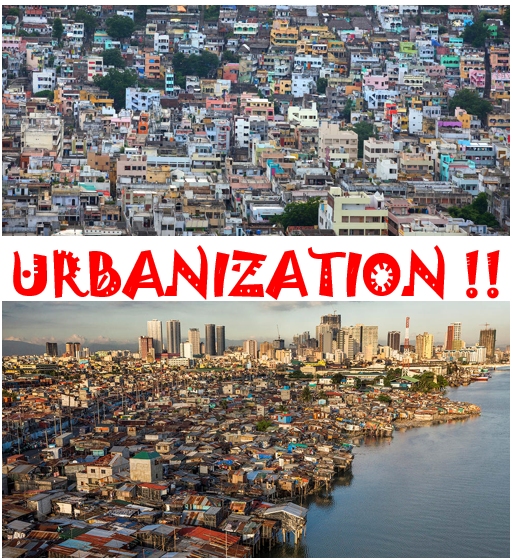
Industrialization fundamentally altered how humans produced goods, organized labor, and structured daily life. Steam engines, mechanized factories, and railway networks replaced traditional agrarian economies with industrial systems capable of mass production. Cities expanded rapidly as populations migrated from rural areas in search of employment.
While industrial growth generated wealth and technological progress, it also produced severe social consequences. Urban overcrowding, unsafe working conditions, child labor, and environmental pollution became widespread. These challenges gave rise to labor unions, social reform movements, and demands for government intervention to regulate industry and protect workers.
Political Revolutions and Ideological Change
The modern era witnessed the rise of powerful political ideologies that reshaped governance and citizenship. Liberalism emphasized individual rights, constitutional government, and free markets. Nationalism fostered collective identity and the formation of modern nation-states. Socialism and communism emerged in response to industrial inequality, advocating collective ownership and social justice.
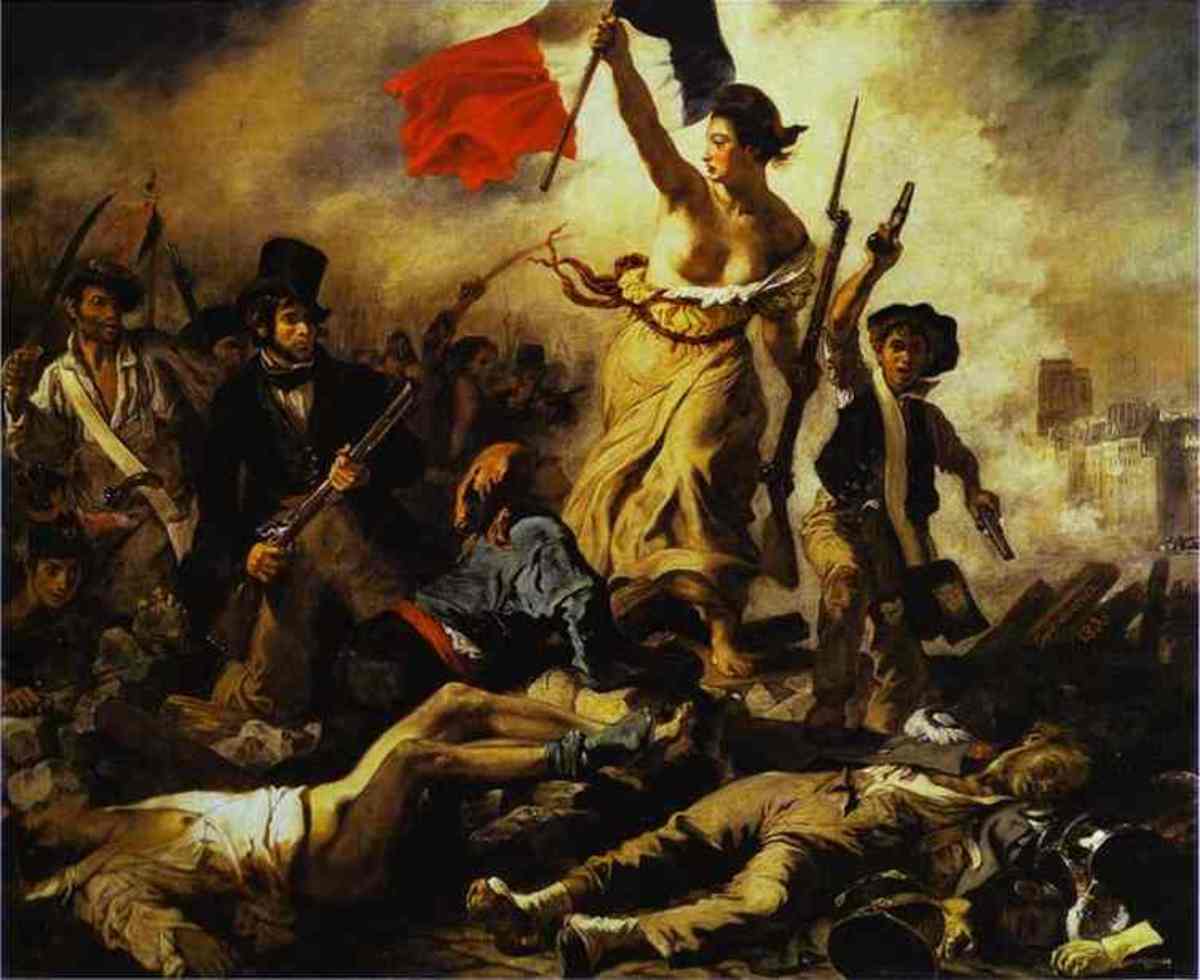
Revolutions and reform movements challenged monarchies and empires across the globe. From the American and French Revolutions to later independence movements, political authority increasingly derived from popular sovereignty rather than divine or hereditary rule. These transformations redefined citizenship, law, and the relationship between individuals and the state.

The Twentieth Century: Conflict and Transformation
The twentieth century was marked by unprecedented global conflict and profound social change. Two World Wars reshaped political boundaries, economies, and international relations, demonstrating the destructive potential of industrialized warfare. In their aftermath, global institutions emerged to promote diplomacy, cooperation, and collective security.
Decolonization movements dismantled European empires across Asia, Africa, and the Middle East, leading to the emergence of new nations. Simultaneously, civil rights movements challenged racial, gender, and social inequalities, expanding democratic participation and redefining human rights on a global scale.
Technological and Scientific Revolution
Advances in science and technology transformed nearly every aspect of modern life. Electricity, telecommunications, antibiotics, and mechanized transportation revolutionized health, communication, and mobility. The digital revolution introduced computers, the Internet, and instantaneous global connectivity, reshaping economies and social interaction.
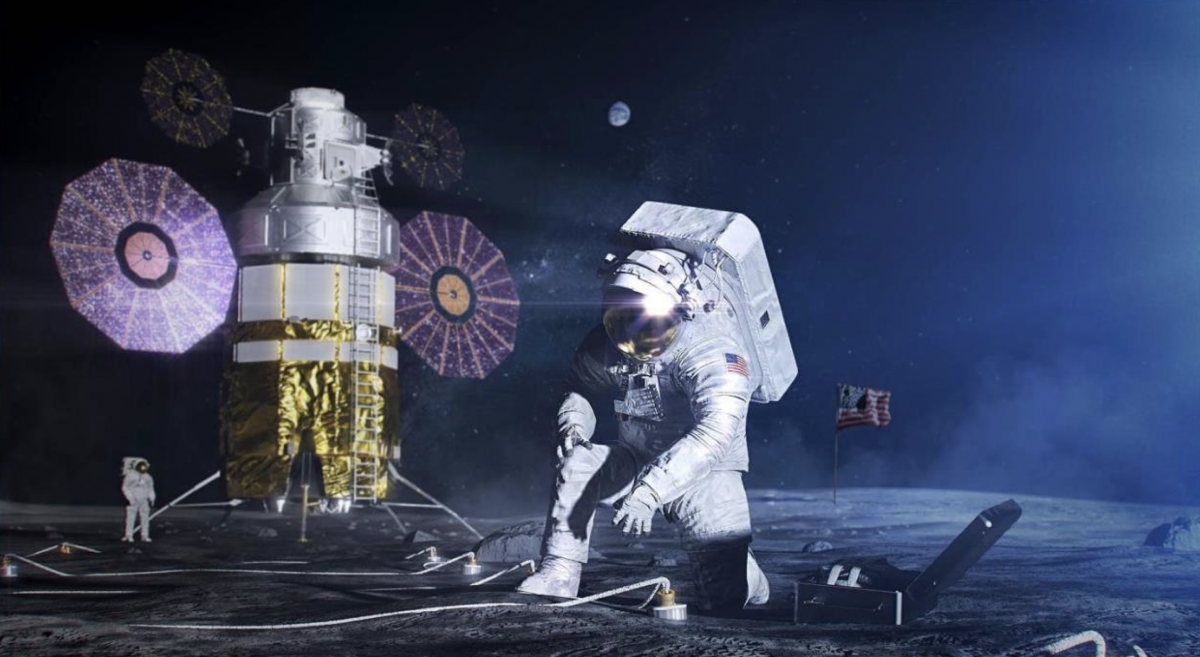
Space exploration expanded humanity’s understanding of the cosmos, symbolizing both scientific ambition and geopolitical competition. Medical research extended life expectancy, while data science and artificial intelligence began redefining knowledge, productivity, and decision-making in the contemporary world.
Contemporary Society and Global Challenges
Today’s world is characterized by deep global interconnection and shared challenges. Climate change, environmental degradation, and resource scarcity threaten ecological stability. Globalization has accelerated economic integration while intensifying debates over inequality, identity, and cultural preservation.
At the same time, humanity continues to pursue progress through education, innovation, and collaboration. Democratic institutions, human rights frameworks, and scientific research evolve in response to emerging challenges. The contemporary era remains unfinished — shaped by choices that will define humanity’s future.