
Ancient Civilizations Era
The Ancient Civilizations Era marks the transition of humanity from scattered agricultural communities into complex, organized societies characterized by urban centers, political authority, written records, and long-distance exchange. This period represents the formal beginning of recorded history, as writing systems allowed societies to preserve laws, beliefs, economic transactions, and historical memory.
Unlike prehistoric societies, ancient civilizations developed institutions capable of sustaining large populations over centuries. Centralized governance, religious authority, and economic specialization enabled societies to expand beyond subsistence survival. The legacy of this era continues to shape modern legal systems, scientific thought, political organization, and cultural identity.

Rise of River Valley Civilizations
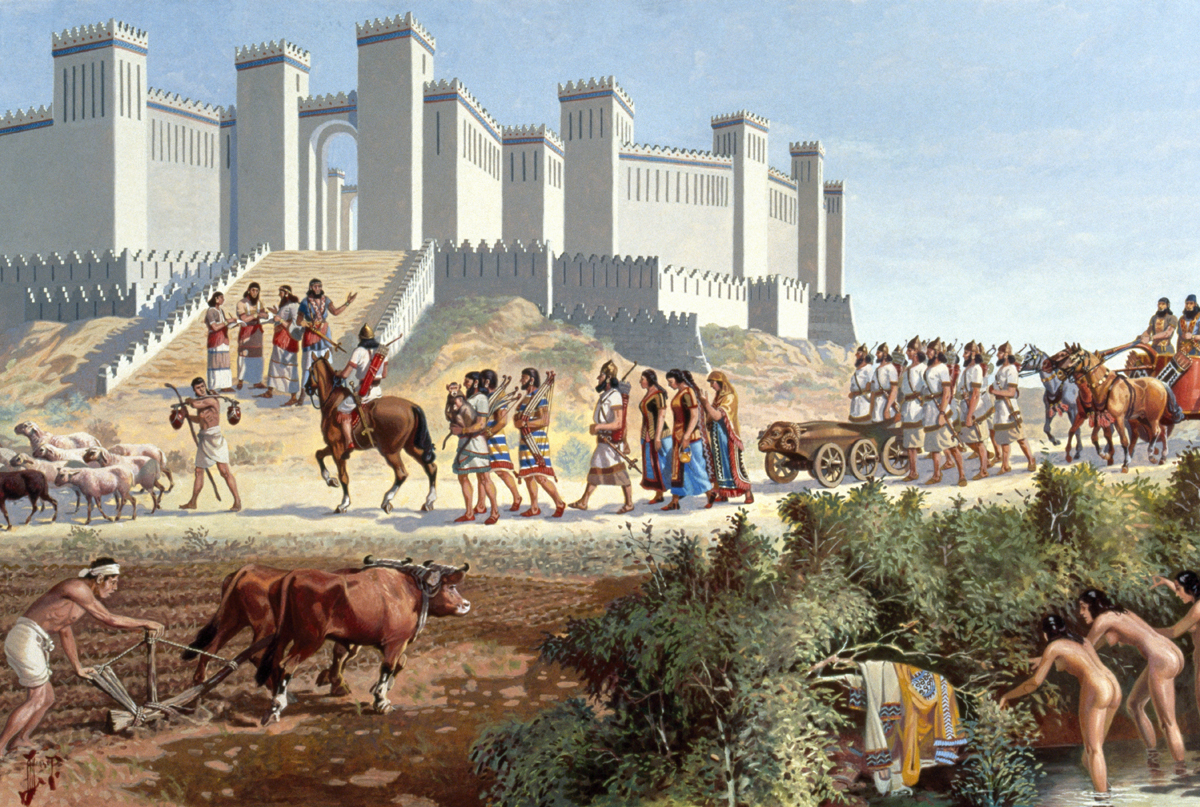
The earliest civilizations emerged independently along fertile river valleys where predictable water sources supported agriculture and trade. Mesopotamia flourished between the Tigris and Euphrates rivers, Egypt developed along the Nile, the Indus Valley civilization prospered in South Asia, and early Chinese states emerged along the Yellow River. In the Americas, civilizations such as the Olmec arose in fertile lowlands without reliance on major rivers.
These environments enabled food surpluses, which in turn supported population growth, urbanization, and occupational specialization. Farmers, artisans, merchants, priests, and rulers formed distinct social classes. Cities became centers of administration, religion, and commerce, often surrounded by defensive walls and monumental architecture symbolizing political and divine authority.
Writing, Law, and Administration
Writing systems emerged as essential tools for governance and cultural continuity. Mesopotamian cuneiform recorded economic transactions and legal codes, Egyptian hieroglyphs preserved religious texts and royal decrees, while early Chinese script documented ritual practices and political authority. Writing transformed memory from oral tradition to permanent record.
Codified law became a defining feature of ancient governance. Hammurabi’s Code in Babylon articulated legal principles based on social hierarchy and retributive justice. These laws regulated property, family relations, labor, and punishment, reinforcing state authority and social order. Legal systems established precedents that influenced later civilizations, particularly Roman law.

Religion and Monumental Architecture
Religion played a central role in ancient civilizations, shaping moral values, political legitimacy, and daily life. Polytheistic belief systems dominated, with gods associated with natural forces, human behavior, and cosmic order. Rulers often claimed divine favor or semi-divine status to legitimize their authority.
Monumental architecture served religious, political, and social functions. Egyptian pyramids symbolized beliefs in the afterlife and royal immortality, Mesopotamian ziggurats functioned as sacred temples, while palaces and city gates demonstrated centralized power. These structures required advanced engineering, organized labor, and long-term planning, reflecting the sophistication of ancient states.
Trade Networks and Cultural Exchange
Ancient civilizations were interconnected through extensive trade networks that spanned continents. Goods such as metals, spices, textiles, ceramics, and precious stones moved across regions, facilitating economic growth and cultural interaction. Trade routes linked Mesopotamia with the Indus Valley, connected Egypt to Africa and the Mediterranean, and later unified Eurasia through the Silk Road.
Cultural exchange accompanied trade. Technologies, artistic styles, religious ideas, and scientific knowledge spread between societies, accelerating innovation. The Silk Road, in particular, enabled the transmission of goods, philosophies, and religious traditions such as Buddhism across vast distances, fostering a shared Eurasian cultural sphere.
Greek and Roman Influence
Ancient Greece and Rome profoundly shaped Western civilization. Greek thinkers such as Plato, Aristotle, and Socrates laid the foundations of philosophy, logic, and ethics. Athenian democracy introduced participatory governance, while Greek art emphasized realism, proportion, and humanism.
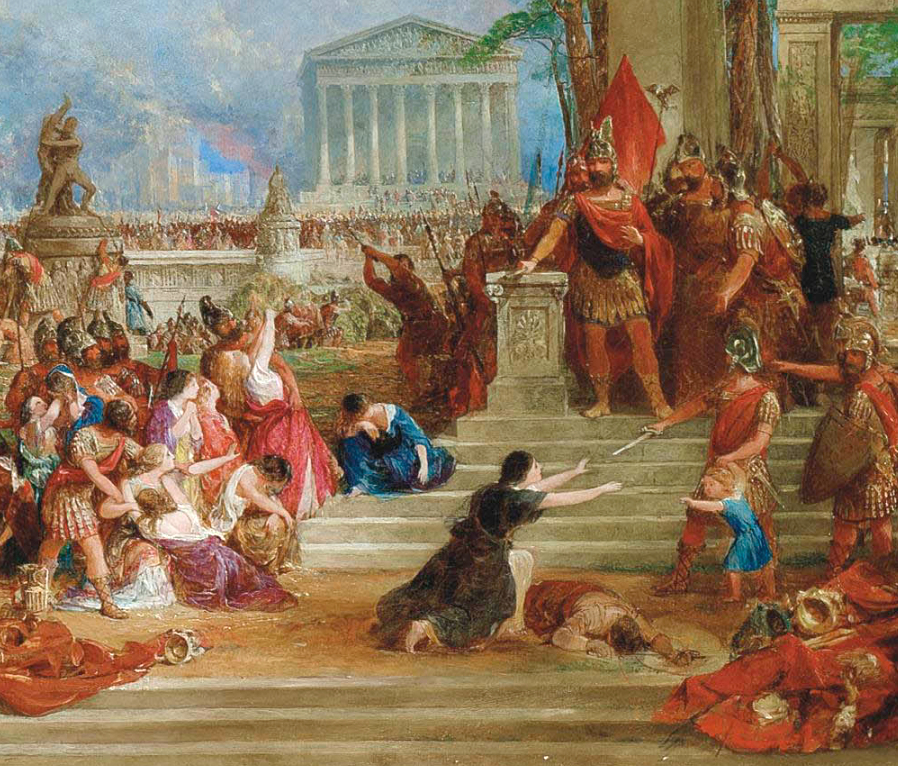
Rome expanded upon Greek intellectual traditions while developing sophisticated systems of law, engineering, and administration. Roman roads, aqueducts, and urban planning facilitated imperial control. Roman law established legal principles such as citizenship, contractual obligation, and legal precedent that continue to influence modern legal systems.
Scientific and Intellectual Advancement
Scientific inquiry advanced significantly during the ancient era. Civilizations developed mathematical systems for accounting, architecture, and astronomy. Babylonian astronomers tracked celestial movement, Egyptian medicine documented surgical practices, and Indian scholars advanced numerical concepts.
Knowledge was preserved through institutions such as libraries, schools, and philosophical academies. The accumulation and transmission of scientific and philosophical ideas during this period provided the intellectual foundation for later Islamic, medieval, and modern scientific traditions.