Prehistoric & Early Human Era
The Prehistoric & Early Human Era encompasses the longest and most formative phase of human existence, representing over ninety-nine percent of humanity’s total history. This era begins with the emergence of early hominins in Africa and concludes with the widespread establishment of settled agricultural societies. Because written language did not yet exist, knowledge of this period is reconstructed through archaeology, paleoanthropology, genetics, and environmental science.
Prehistory was not a simple or static age of survival. It was an era defined by continuous adaptation, experimentation, and cultural transmission. Early humans developed cognitive flexibility, long-term memory, cooperative behavior, and technological problem-solving skills that allowed them to survive extreme climate fluctuations, migrate across continents, and reshape ecosystems. These developments formed the biological and cultural foundations of later civilizations.
Origins of Humanity
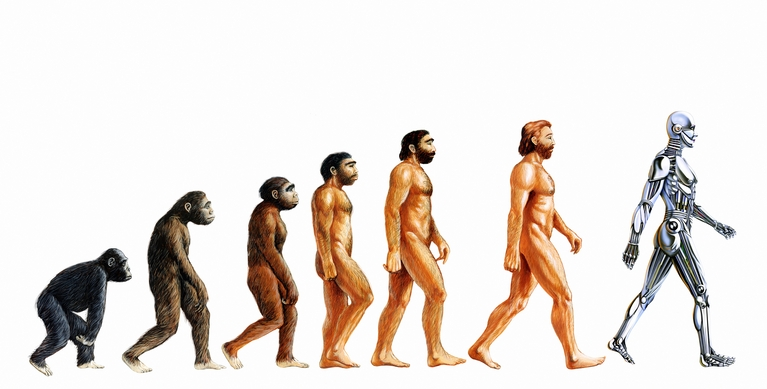
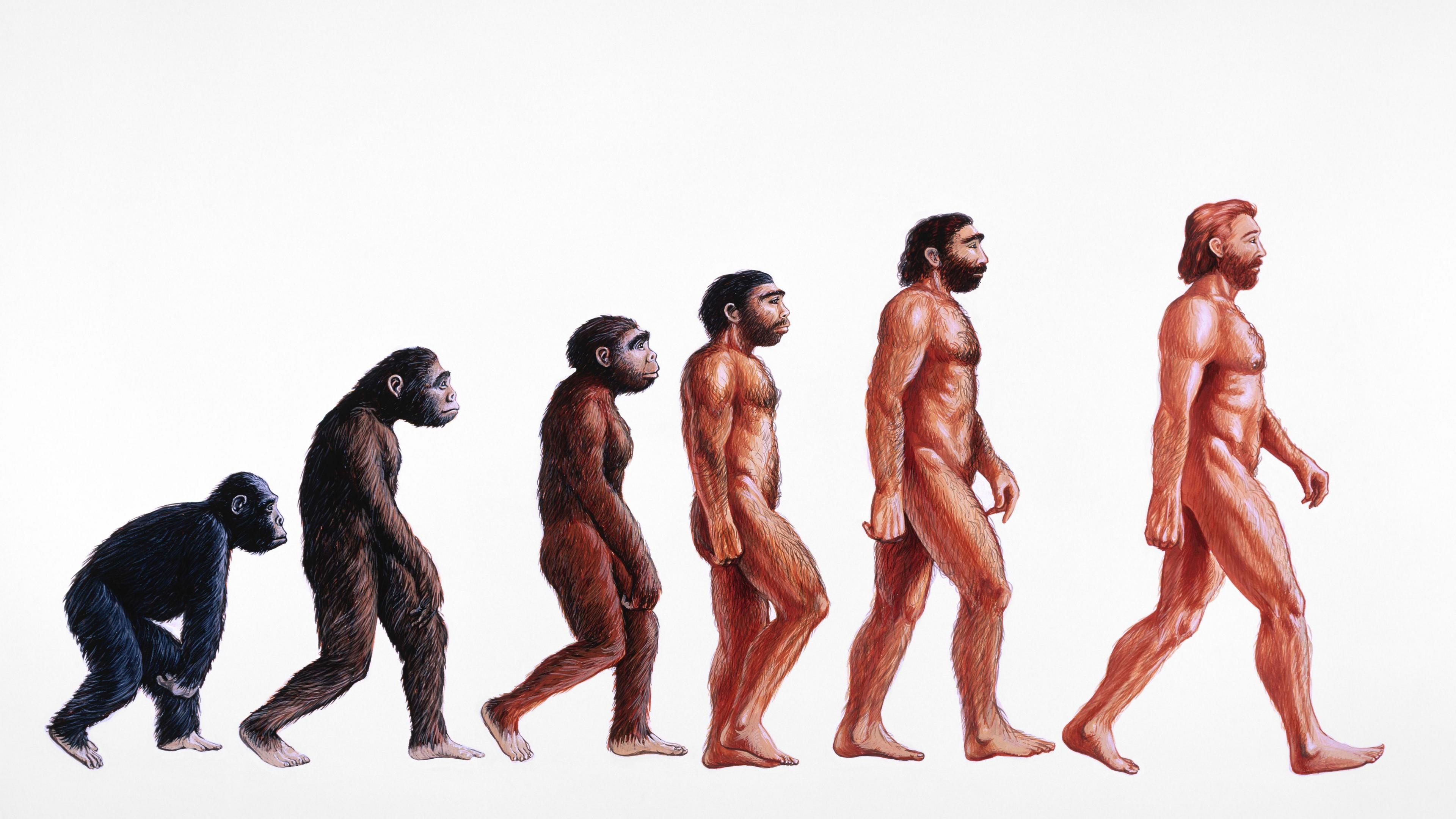
Human origins trace back to Africa, where evolutionary pressures favored bipedal locomotion, increased manual dexterity, and enhanced cognitive capacity. Early hominin species such as Australopithecus displayed upright walking, freeing the hands for tool manipulation, while Homo habilis demonstrated the earliest known stone tool production. These developments reflect a shift toward intentional environmental interaction rather than passive adaptation.
The later emergence of Homo erectus marked a turning point in human evolution. This species exhibited larger brain size, improved tool standardization, and the ability to control fire. Fire fundamentally altered human biology and social life by enabling cooking, which increased caloric intake, reduced disease, and supported further brain expansion. Fire also created social gathering spaces, likely strengthening communication and group cohesion.
Tool Use and Technology
Stone tool technology represents one of the clearest indicators of early human intelligence. The Oldowan industry consisted of simple stone flakes used for cutting meat and processing plant materials. Over time, technological traditions became more complex, culminating in the Acheulean hand axe, which required foresight, symmetry, and skilled craftsmanship.
Technological innovation extended beyond tools. Early humans developed shelters, clothing from animal hides, and specialized hunting equipment such as spears and traps. These technologies allowed humans to inhabit environments ranging from arctic tundra to tropical forests, demonstrating extraordinary adaptive flexibility.

Migration and Global Expansion
Early human migration out of Africa occurred in multiple waves over hundreds of thousands of years. Population groups followed animal herds, shifting climates, and resource availability. These migrations were not random but strategic, relying on shared knowledge, environmental awareness, and social cooperation.
As humans spread across Eurasia and eventually into the Americas, they encountered diverse environments that demanded innovation. Cold climates led to tailored clothing and insulated shelters, while coastal regions encouraged fishing technologies and maritime navigation. Migration facilitated cultural exchange and genetic diversity, shaping modern human populations.
Neolithic Revolution
Around 10,000 BCE, some human groups transitioned from nomadic lifestyles to settled agriculture. This transformation, known as the Neolithic Revolution, fundamentally altered human society. The domestication of plants and animals created food surpluses, enabling population growth, permanent settlements, and specialized labor.
Agricultural life introduced new social structures, including property ownership, social hierarchies, and early governance systems. While farming increased food security, it also introduced challenges such as disease, inequality, and environmental strain. Despite these costs, agriculture laid the groundwork for urbanization and civilization.
Social Structures and Culture
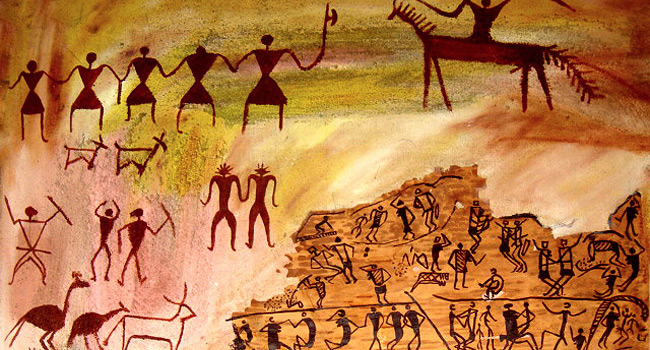
Cultural expression flourished during the prehistoric era. Cave paintings, carvings, burial rituals, and symbolic artifacts suggest complex belief systems and abstract thinking. These practices reinforced group identity, transmitted shared values, and provided explanations for natural phenomena.
Language, though not preserved directly, likely evolved gradually through gestures, vocalizations, and shared symbols. Communication enabled teaching, storytelling, and collective memory, allowing knowledge to accumulate across generations and accelerating cultural evolution.