
World History Timeline
Explore human history through our detailed, era-based timeline. From the earliest hominins to contemporary
society,
EncyclopediaESD presents structured knowledge connecting culture, science, geography, and human development.
Each era provides context for major events, discoveries, and societal transformations that shaped our world.
Prehistoric & Early Human Era
c. 2.5 million BCE – 3000 BCE
The story of humanity begins with the emergence of early hominins in Africa. The earliest species
such as
Australopithecus and Homo habilis developed basic tools made of stone and bone,
marking the start of technological innovation. Social cooperation and rudimentary communication
enabled survival
and gradual expansion across continents.
Migration patterns led early humans into Asia, Europe, and eventually the Americas. They adapted to
diverse
climates, developing hunting strategies, clothing from animal hides, and shelter construction. The
Neolithic Revolution, around 10,000 BCE, marked the shift from nomadic hunting and gathering to
settled agriculture,
enabling the formation of villages, permanent structures, and early governance systems.
Cultural and cognitive advancements included the use of fire, creation of symbolic art, and ritual
practices.
Early humans began to form social hierarchies and spiritual beliefs, laying the foundation for
complex societies.
The development of pottery, weaving, and early domestication of animals enabled sustained human
growth.

Ancient Civilizations Era
c. 3000 BCE – 500 CE
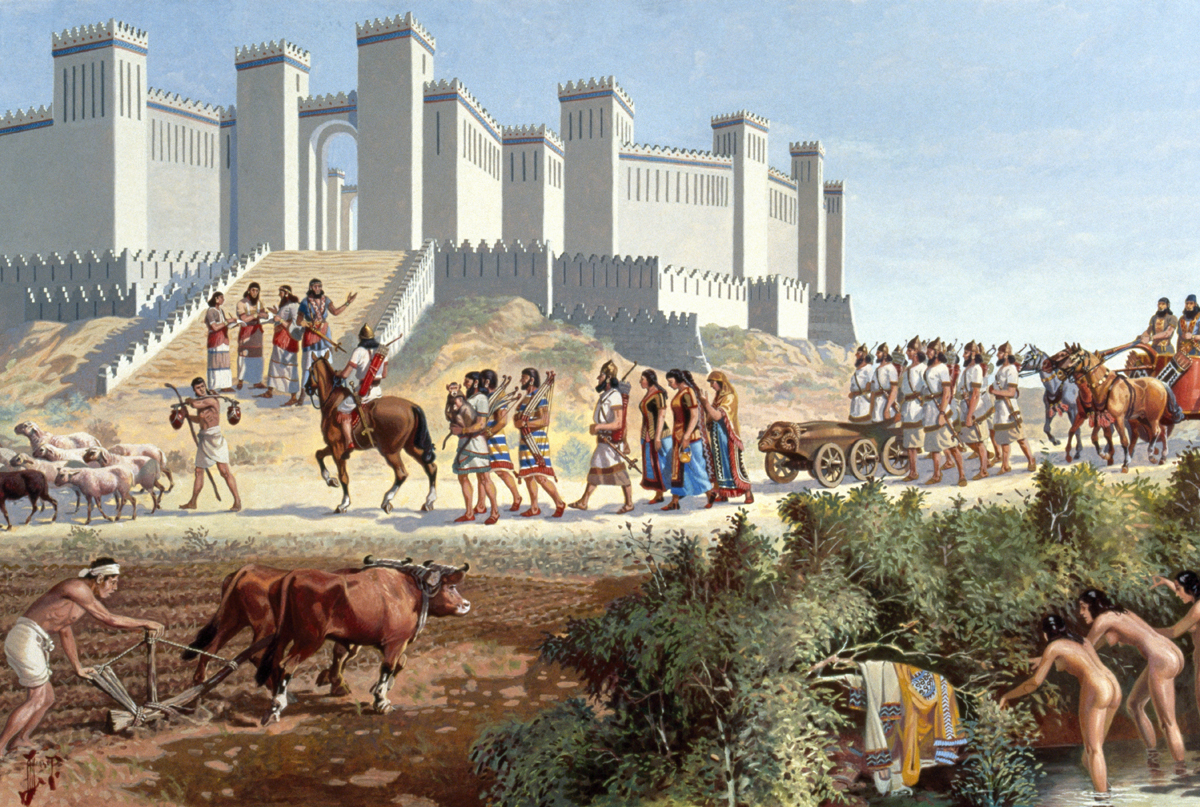
Ancient civilizations emerged around fertile river valleys: Mesopotamia, Egypt, the Indus Valley,
China,
and Mesoamerica. These societies created writing systems like cuneiform, hieroglyphs, and early
scripts,
enabling administration, record-keeping, and the spread of knowledge.
Monumental architecture, including pyramids, ziggurats, and palaces, demonstrated engineering
prowess.
Religious institutions guided moral and social life, while codified laws like Hammurabi’s Code
structured
justice. Trade networks spanned continents, exchanging goods, ideas, and technologies.
Greece and Rome influenced philosophy, politics, and art. Democracy in Athens, Roman law, and Stoic
philosophy
shaped Western thought. Innovations in mathematics, astronomy, medicine, and military technology
advanced
civilizations globally. Cultural exchange via the Silk Road connected societies across Eurasia.
Medieval & Early Modern Era
c. 500 CE – 1800 CE
Feudalism dominated Europe, with kings, lords, and vassals shaping political hierarchies, while
peasants
cultivated land. In Asia, the Tang, Song, and Mughal empires created sophisticated bureaucracies,
art, and science. Africa’s Mali and Songhai empires thrived through trade, scholarship, and urban
centers.
The Americas saw the rise of civilizations like the Maya and Inca with advanced agriculture and
astronomy.
Intellectual and cultural flourishing occurred during the Renaissance (14th–17th centuries) in
Europe,
emphasizing humanism, art, and scientific inquiry. The Reformation redefined religious authority and
societal
structures. Early modern trade expanded globally, with maritime exploration opening new routes to
the Americas,
Africa, and Asia.
Technological advancements like printing presses, navigation instruments, and improved metallurgy
accelerated
knowledge dissemination. Philosophers and scientists such as Copernicus, Galileo, and Newton laid
the
groundwork for modern science. This era bridged medieval structures with modern political, cultural,
and
economic developments.

Modern & Contemporary Era
1800 CE – Present
Industrialization reshaped economies, societies, and urban landscapes. Steam engines, factories, and
railways
accelerated production and trade. Labor movements, social reforms, and revolutions redefined
citizenship
and governance. Modern nation-states emerged alongside political ideologies such as liberalism,
socialism,
and nationalism.
The 20th century saw unprecedented change: World Wars, decolonization, civil rights movements, and
global
technological revolutions transformed society. The digital revolution introduced computing, the
Internet,
and global communication networks. Space exploration expanded human understanding of the universe.
Contemporary society faces challenges and opportunities: climate change, globalization, scientific
innovation,
and cultural exchange. Democracy, human rights, and education continue to evolve, while research in
medicine,
technology, and artificial intelligence shapes the future. The Modern Era exemplifies human
ingenuity,
resilience, and interconnectedness.
